Categories
Features Law & Politics Social Sciences

Fiduciary law and the case of Aparna and Beth

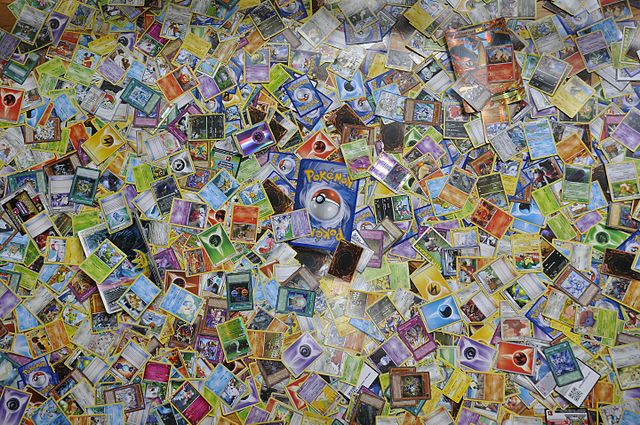
This essay was written by Lower Sixth Form student Charlie Everitt for submission to the Peter Cane Prize for Legal Reasoning, organised by Corpus Christi College, Oxford. His work was highly commended by the judges. The task was based on fiduciary law and a hypothetical case involving Aparna and Beth, who are both avid Pokémon collectors. The full task can be found outlined in the document below, alongside a full copy of Charlie’s essay. A brief extract is included here:

Fiduciary Law and the Fiduciary Act 2023

Fiduciary duties have long been recognised under English common law, generally arising when one party ‘has undertaken to act for or on behalf of another in a particular matter in circumstances which give rise to a relationship of trust and confidence’[1]. In being a fiduciary it is thought that one should prioritise the desires and benefits of the other party, even above one’s own. This seems a logical concept when we consider certain categories of fiduciary relationship that are automatically recognised: for example, doctor and patient, solicitor and client, trustee and beneficiary. However, this is not a closed list and ad hoc fiduciary relationships can and do exist.

The Fiduciary Act 2023 (the “Act”) expressly provides (in Section 1(2)) that ‘Subject to this Act, fiduciary law remains in force’. The inference here is that the objective of the Act is to codify (or possibly extend) the existing law in some way. In the UK, a Court looking to interpret statutes should first attempt to give effect to the plain meaning of the words used. If plain meaning is in doubt the Court may opt for a purposive enquiry to determine the intent behind the statutory provision[2]. Therefore whilst the principles developed by the existing common law on fiduciary relationships may have some relevance, the starting point for the analysis of the posed case must be the wording of the Act.


[1] Bristol & West Building Society v Mothew [1998] Ch 1

[2] Statutory Interpretation Explained, Ross R – 5. Pey, Cambridge University Law Society

Categories
Features Psychology Social Sciences

Subliminal Advertising: A Hidden Message

This essay was written by Lower Sixth Form student Raul Murphy and was a joint winner of the RGS 2023/24 4000 Characters essay competition. In this competition, students had to submit an essay of no more than 4000 characters (including spaces!) inspired by the quote ‘You can’t judge a book by its cover’.

The phrase “you can’t judge a book by its cover” has gained added significance in the subtle world of advertising. On the surface, advertisement can be seen to showcase a product or vision, however, the methods beneath  challenge our ability to distinguish the true intent and perhaps hidden objective.

A subliminal message uses visual or auditory stimuli which are inaudible to the conscious mind yet register in the unconscious. Subliminal advertising capitalises on these techniques to influence consumer behaviour without their awareness and avoids resistance. Consider a billboard for Coca-Cola, characterised by vibrant colours and refreshing imagery – at first glance it infers a positive association, however, under the surface, one can find potential images of a woman on top of a can amongst other things. Advertisers employ subtle symbols or depictions that trigger unconscious desires or emotions related to the product. This creates a challenge in our inability to judge the impact of these hidden details that are forced upon us.

Another form of subliminal messaging involves the insertion of “hidden” messages into movies and TV programs. This concept relies on the viewer seeing a singular frame at different points within the show. The hidden command will flash across the screen so quickly that it is not consciously perceived but instead will appeal to the subconscious mind, and thus have some an effect on the viewer’s behaviour. During the 2000 U.S presidential campaign, a television ad campaigning for Republican George W. Bush showed parts of words scaling from foreground to the background of the television screen. When the word “Bureaucrats” flashed on the screen, one frame showed only the last part, “RATS” – implying negative connotations. The case was investigated, but no sanctions applied. Who knows how much this affected the presidential race?

Subliminal advertising capitalizes on the power of suggestion, and often appeals to deep seated desires, fears or aspirations. The danger occurs when consumers, unaware of these influences, make choices guided by these advertisements, that are ultimately beyond their conscious understanding. One of the most chilling potential subliminal messages comes from a case in 1985, where two young adults aged 18 and 20 made a suicide pact to kill themselves. One of them survived, then transpired that they had been listening to Judas Priest that afternoon, a heavy metal band, and claimed that there were subliminal messages in the music, such as “Try suicide,”, “Let’s be dead” and “do it, do it.” Whilst these claims were ruled against, it is impossible to say that the music did not have any effect on their decisions.

Furthermore, various studies on subliminal perception have been conducted and yielded interesting findings. It was questioned if anaesthetized patients are completely unaware whilst apparently asleep or unconscious, and whilst the patients themselves reported no knowledge of events whilst they were under anaesthetic, indirect methods of examining knowledge retention confirmed that information was perceived without any conscious awareness.

In the future, as technology advances and advertisers continue to cast the net wider, the importance of looking beneath the surface becomes increasingly critical. The phrase “you can’t judge a book by its cover” serves as a call for vigilance, encouraging consumers to question and seek transparency in the messages that swamp us everyday.

To conclude, in the ever-growing battle between consumer consciousness and deceptive advertisers, subliminal messaging stands as a potent example of the phrase “you can’t judge a book by its cover.” The layers of persuasion masked under seemingly innocent jingles will always challenge our ability to discern truth from manipulation. Recognising the existence of such techniques helps us take the first step in regaining control over our choices and ideas.

Categories
Arts & Humanities English Features

“Don’t Judge a Book by Its Cover”

This essay was written by Lower Sixth Form student Marcus Woodhouse and was a joint winner of the RGS 2023/24 4000 Characters essay competition. In this competition, students had to submit an essay of no more than 4000 characters (including spaces!) inspired by the quote ‘You can’t judge a book by its cover’.

Part I

A young man walks gaily past you. His face is broad, and his smile broader. It’s not long before you see the man enter the brief embrace of his companions, and you watch them disappear around the corner. You wish, for one instance, to obtain the ability to see inside that man’s mind – to see what true happiness feels like. The moment passes as your own life comes calling, and the lights blink red for you to safely cross.

The experience doesn’t cross your mind all day at work. There are things to get done, deadlines to sneak under, and people to avoid. You’re far too busy to waste time mulling over your own life, let alone a stranger’s. In fact, you make absolutely nothing of it until Sunday evening. You’ve just settled down into your living room chair, with a cup of tea on the table and a nearly empty pack of rich tea biscuits lying beside it.

You’d been meaning to check the latest updates on the roadworks near your house, so you search for the local news and scroll through the headlines. “Surrey could see snow in a matter of hours.” “Fish and chip shop off the A3 deemed one of the best in the UK.” They seem to have forgotten about the roadworks, but you keep scrolling until something catches your eye. “Student, 21, commits suicide in renewed male mental health epidemic.”

The headline, as shocking as it should be to you, fails to make much of a mark, but the picture alongside it cuts you to your very core. The man’s broad face and his even broader smile almost fill the frame.

Your mind instantly flits back to that moment the other day, as he passed you seemingly without a care in the world. No amount of observation or analysis could have ever told you, from the outside, that his spark would be stamped out within a matter of days. Your jaw hangs open, and your heart sinks like a stone. You’ll move on in a few minutes, and get ready for the long week ahead, but you’ll remember that feeling of dread and regret for a lifetime.

Part II

A young man walks gaily down the street. His face is broad, and his smile broader. He’s on his way to meet some old school friends before they go out later for a nostalgia-stoked evening of good food and better beers. The man engages in a brief hug with each member of the group, as one of them exclaims how long it’s been. The atmosphere is jovial, and the merry band set off around the corner.

Later that night, the man can be seen either engaged in frantic reminiscing or emptying another glass to the delight of his peers. Everyone is having a blast, and their inhibitions are slipping away. The group becomes so rowdy that they are forced out onto the streets, but who cares? Life is good, and the pressures of young adulthood seem to have floated away with the wind. The party simply moves to someone’s flat.

Someone finds a speaker, and the night is filled with the blare of drunken karaoke. No one had expected the night to be this fun. The hours sift away. The man is slurring his words now, and his balance is starting to fade, so he decides that now is probably the time to leave. He thanks the flatmates for their generosity and joins in with one last round of drinks before they all begin to disperse. Then he says his goodbyes and begins a brisk walk to the station to catch the last train back.

The man never boards the train. The conductor denies ever seeing him that night. His death leaves a gaping hole in the lives of all those around him. His friends are left forever shocked and saddened. His college mourns the loss of one of its brightest students. His stricken parents separate and live out the rest of their days in grief. They never had any idea.

Conclusion

Don’t judge a book by its cover, but rather by the words on the pages. People say that they could spot a struggling friend, but the reality is that it can be impossible to know whether someone’s problems are starting to engulf them. So, open up with those around you and make sure they’re OK. Don’t wait until it’s necessary but do it because you care.


Categories
Features Independent Learning Assignment Law & Politics Social Sciences

Unprecedented: An in depth look into attitudes to China across 2020 alongside an investigation into how respondents make decisions at surveys

This essay was written by Lower Sixth Form student Joshua Inglesfield as an Independent Learning Assignment (ILA). It was shortlisted for the 2023 ILA/ ORIS award. The following provides a short abstract of the full report:

The Covid-19 Pandemic has been extensively shown to have contributed to declining attitudes to the PRC. Various organisations, including the Pew Research Institute and TUC of Wales, have reported how the coronavirus pandemic has led to increases in such unfavourable attitudes. However, no studies have specifically examined whether the trend is a result of conscious bias regarding the pandemic, whereby citizens actively view the PRC more negatively due to their handling of the pandemic, or subconscious bias, whereby citizens view the PRC more negatively due to a broader sentiment change influenced by undertones and subliminal messaging in society (caused by the PRCs handling of Covid) as opposed to active views regarding the PRC and the pandemic. Thus, in this study I aim to not only examine how British attitudes to China have been impacted by the Coronavirus pandemic, but also determine whether the trend in attitudes seen is a result of subconscious bias following the pandemic, or conscious bias regarding the pandemic. Through unique methods such as precise analysis of daily new COVID-19 cases alongside attitude figures, as well as the designing of unique fieldwork to determine the biases prevalent, I have enabled the research into the pandemic’s impact on global attitudes to China to be breadthened, adding new dimensions to debate on the topic. Overall, I conclude that the United Kingdom saw, as with other Western nations, a marked increase in negative sentiment to the PRC in 2020. Further investigation then reveals an undeniable link between daily new COVID-19 cases and negative attitudes, with greater levels of negative attitudes to the PRC occurring in periods of higher infection rates. With regards to biases, I show that subconscious bias was the primary driver of negative attitudes to the PRC as a result of the pandemic, with individuals likely acting upon subliminal messages and undertones they are exposed to, such as speeches by political figures criticising the PRC, rather than them actively recognising the PRC’s actions in the pandemic and forming opinions from such recognition.

To view Joshua’s full report, follow this link below:

Categories
Features Independent Learning Assignment STEM

The rise of obesogens: could synthetic chemicals be the hidden catalysts of the obesity epidemic?

This essay was written by Lower Sixth Form student Rohan McCauley as an Independent Learning Assignment (ILA). It was shortlisted for the 2023 ILA/ ORIS award. The following provides a short abstract of the full report:

Obesity is a huge problem in both the developed and developing world. Rapidly rising levels of obesity mean that every year, a greater proportion of the population is at risk from diseases such as type II diabetes and various cardiovascular disorders. My ILA aims to explore the role of obesogens, endocrine-disrupting chemicals that contribute to obesity, by examining their impact on factors such as adipocyte differentiation and appetite control which lead to weight gain. Understanding obesogens is crucial for effective policy-making and prevention strategies, although it is evident that factors such as diet and exercise are ultimately more significant, and that tackling the obesity epidemic is an incredibly complex issue which requires the consideration of a broad variety of contributing factors.

To view Rohan’s full report, follow this link below:

Categories
Economics Features Independent Learning Assignment Social Sciences

Are Economic Networks the Key to Successful Business Management? A Case Study of Google and Amazon

This essay was written by Lower Sixth Form student Xavier Wallin as an Independent Learning Assignment (ILA). It was shortlisted for the 2023 ILA/ ORIS award. The following provides a short introduction to the full essay:

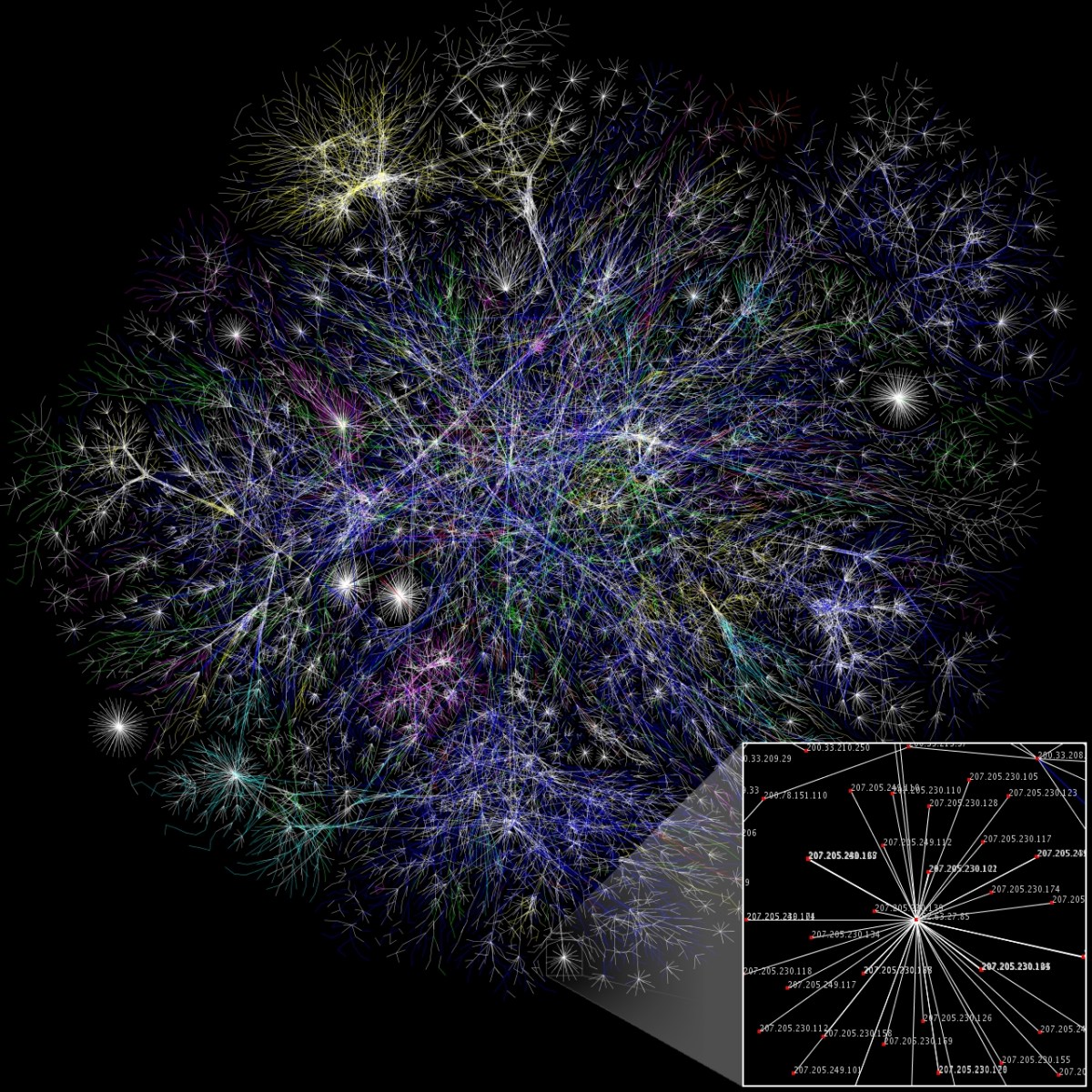
The field of network economics has transformed business management over the last fifty years by highlighting the importance of networks, coordination and relationships within organisations in achieving efficiency, growth and innovation. A better understanding of the dynamics and principles of networks has enabled firms worldwide to navigate complex internal business ecosystems (that is, the management and utilisation of staff). In the case of Amazon.com Inc. (“Amazon”), its management’s ability to embrace network theory in order to adapt to transitions in market dynamics has played a large role towards the company’s success. This paper will discuss the impact of network economics (network theory) on the management of firms and organisations generally with reference to the impact on Alphabet Inc (otherwise known as “Google”) and Amazon in particular.

To view Xavier’s full article, follow this link below:

Categories
Arts & Humanities Classics Features Independent Learning Assignment

The Influence of Classics on White Supremacy

This essay was written by Lower Sixth Form student Jasper Morris as an Independent Learning Assignment (ILA). It was the winning submission in the Arts/ Humanities category of the 2023 ILA/ ORIS award. The following provides a short introduction to the full essay:

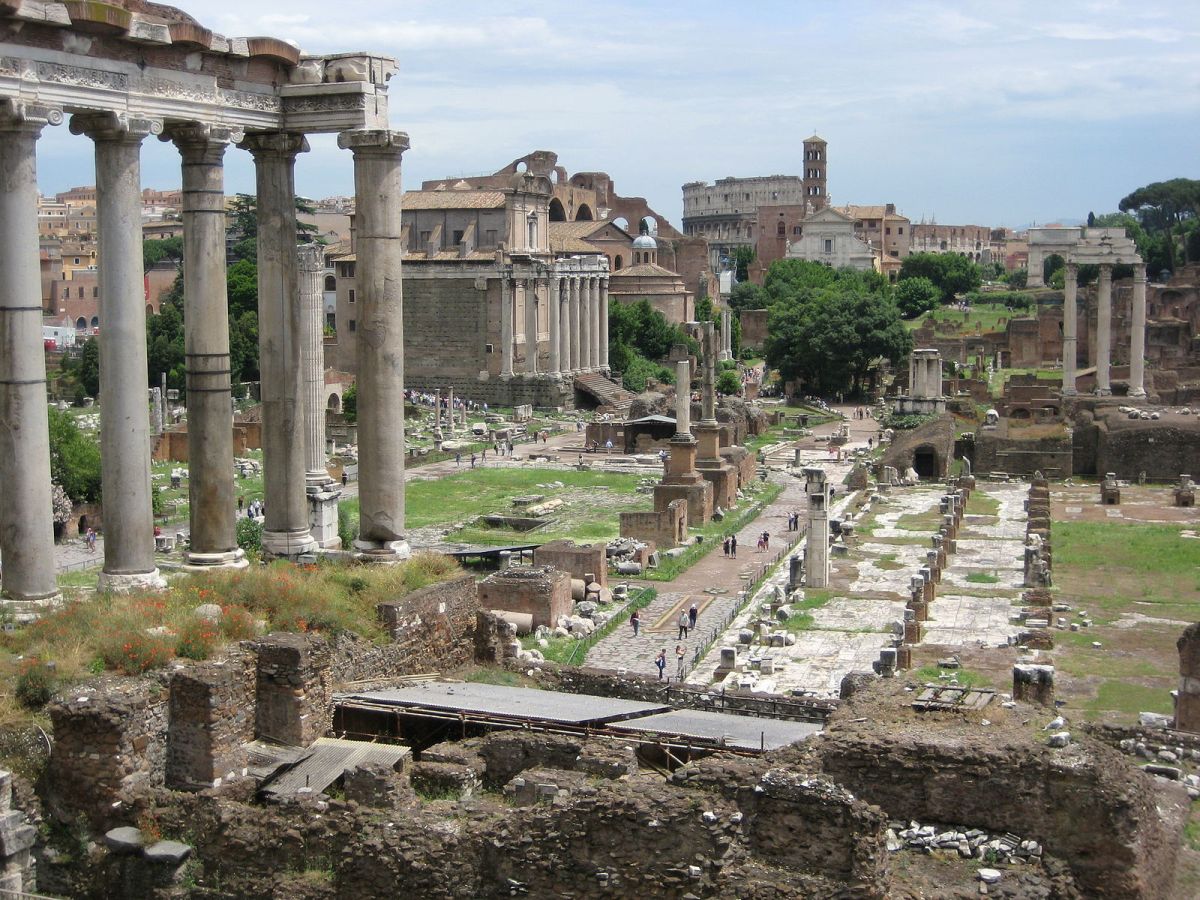
The Classics, the study of Ancient Greek and Roman civilisations, have long been considered the foundations of Western culture, with literature, art and architecture all adorned with marks of the Classics. Yet, since its renewed interest during the Renaissance the study of Ancient Greek and Roman literature has found itself amalgamated with pro-white notions of the time, riddled with misinterpretations and a prejudiced subject focus. Continued to the present, the Classics are still often weaponised to bolster racist ideologies of the far right who admire its cultural potency. Despite the pursuit of knowledge often being noble, the legacy of classical education threatens to be tarnished by those abusing its promise of being the foundation of Western society for no good. In this paper I will examine both Classics’ influence on white supremacy and societal efforts striving to reverse such influences.

To view Jasper’s full article, follow this link below:

Categories
Arts & Humanities Features Independent Learning Assignment Linguistics

Beyond the Périphérique : Examining the failures of the built environment in the downfall of the Parisian suburbs

This essay was written by Lower Sixth Form student Haris MacNiol as an Independent Learning Assignment (ILA). It was shortlisted for the 2023 ILA/ ORIS award. The following provides a short introduction to the full essay:

Paris is a city firmly detached from its surroundings. Beyond its ring road lies a ‘not Paris’, a parallel universe which exists in limbo, beyond the administrative boundaries of the city but part of its conurbation. Far from the idyllic American suburbia, the reality of the French Banlieues (or suburbs) is one of vast concrete housing complexes (known as cités) hosting poverty, crime and racial inequality. Although forcefully removed from the Parisian sphere of influence, the cités exist as scars of the failed modernist utopia, Paris would like to forget. The architectural dogma of Le Corbusier paired with governmental constraints resulted in a built environment that failed and continues to fail to this day, the residents who find themselves in these beton-brut poverty traps. To examine the failings of the Banlieues, is to examine the lack of oversight that the architects and the government displayed in conjunction with inequalities that have persisted since the downfall of the banlieues some 50 years ago.

To view Haris’s full article, follow this link below:

Categories
Features Independent Learning Assignment STEM

Exploring Emergent Properties of Complex Systems using Machine Learning

This essay was written by Lower Sixth Form student Finlay Sanders as an Original Research in Science (ORIS) project. It was shortlisted for the 2023 ILA/ ORIS award. The following provides a short introduction to the full report:

Many natural phenomena display properties or behaviours more than the mere aggregation of their parts. Humans, for instance, are capable of language, cognition and intricate social behaviours, none of which are properties of individual cells. Similarly, each cell’s functionality arises from the interactions between molecules, even though none possess the cell’s capabilities independently. This pattern, where macroscopic properties arise from interactions between microscopic components, termed ’emergence’, is a hallmark of complex systems. Emergence creates layers of abstraction within a system, where each behaves according to its own physical laws. Formal theories of emergence have already been introduced using information theory, such as in. The contribution of this paper is a novel method of identifying emergence using machine learning. By approximating the dynamics of a complex system at different spatiotemporal scales, I confirm numerically that these layers of abstraction exist, and that the dynamics of each can be learned by a data-driven approach. I evaluate this method using the Classical XY model, a lattice model of statistical mechanics relevant to phenomena such as the melting of crystals, magnetism and superconductivity, as an example. At the microscopic scale, the model consists of a collection of spins on a lattice that can point in any direction in the plane, which operate according to the dynamics of equation 4. At the macroscopic scale, the model is characterised by emergent structures termed ’vortices’ and ’anti-vortices’, which describe topological flaws where groups of spins make a 2π rotation either clockwise or anticlockwise, that follow Coulomb dynamics. To this end, I propose a dual pathway approach to predicting the trajectories of spins and vortices using graph neural networks. First, I trained a model to predict spin dynamics, from which the vortices could be extracted. Second, I trained a model that bypasses spins, instead directly predicting vortex movements. By drawing parallels to commutativity diagrams, I demonstrate that both pathways converge to accurate vortex predictions, even over extended rollouts.

To view Finlay’s full report, follow this link below:

Categories
Features Independent Learning Assignment STEM

Pain Processing in the Spinal Cord: Validating multi-electrode silicon probe placement in the rat spinal cord using fluorescence microscopy for analgesic drug development

This essay was written by Lower Sixth Form student Shrey Bijlani as an Original Research in Science (ORIS) project. It was the winning submission in the STEM category of the 2023 ILA/ ORIS award. The following provides a short abstract of the full report:

The N13 potential is a response in the spinal cord in humans that is thought to reflect post-synaptic activation of neurons. Recordings from rats show the N13 potential has an analogous N1 potential in the rat and might be useful for developing new drugs, however the precise location this potential originates from remains uncorroborated. Electrophysiological experiments were performed to analyse this, and subsequently, tissue was extracted from rats and stained accordingly. The results show that the probe was positioned approximately 1.2mm deep and 0.5mm laterally with the tip of the probe ending in lamina V. When compared to electrophysiological data, this confirms that the origin of the N13 potential is located within lamina V, supporting the conclusion that the initial response was mediated here.

To view Shrey’s full report, follow this link below: