Categories
Economics FTRP Social Sciences

Nudges – Marketing or Mind Control?

This long-read article was written by lower-sixth former Tom Wright, and shortlisted for the 2020 Fifth Form Transitional Research Project. . The following provides a short abstract to his full essay, which can be found at the bottom.

Estimated read time of abstract: 2 minutes
Estimated read time of essay: 14 minutes

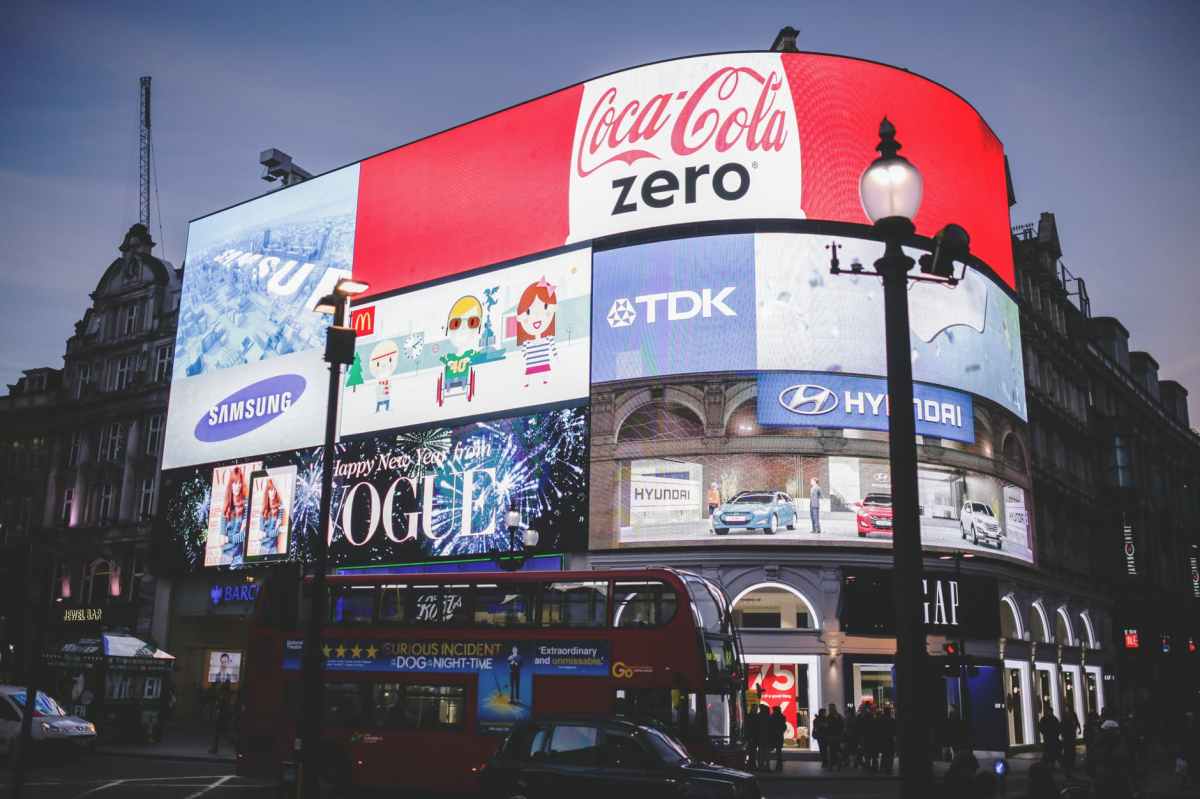
Nudges are apparent throughout all aspects of our daily lives, acting as a hidden force influencing a significant part of how we live and make decisions. Put simply, a nudge can be viewed as a small deliberate action made to intentionally influence an individual’s decision-making process. Take for example the layout of a supermarket, depending on where items are placed in the shop changes people’s perceptions of them. People will associate the most prominent products as being ‘better’ when in reality there is no rational or logical reasoning for this. Richard Thaler, one of the founders of nudge theory, suggests that nudges should be viewed as a sat-nav; you follow them as they guide you to your destination whilst not preventing you from choosing an alternate route. If nudges follow libertarian paternalistic principles which involves guiding individuals into a decision while not compromising their freedom to choose, is a nudge just an effective marketing technique or can we view it as a form of mind-control? 

To answer this question we must first understand what the key characteristics of a nudge are. A nudge must obey two principles; it must alter people’s behaviour and it must not compromise an individual’s freedom to choose. Secondly, we must analyse the extent to which the characteristics of a nudge align with the criteria of a marketing technique or that of mind-control. Marketing is defined as only ever being an offer to the customer and that this offer must be beneficial to them. Whereas mind-control can be defined by its unethical motives and manipulative nature. A nudge contains elements of both marketing and mind-control, so we must determine which classification the nudge more closely align to.  

The two main lines of argument which support the view that a nudge is a form of marketing are that a nudge is only an offer because the recipient ultimately makes the decision. If viewed as mind-control then this would imply that a pre-determined decision would be forced upon the recipient, meaning the action would no longer fit the definition of a nudge. Secondly, the most beneficial option to the recipient is still there, it is their responsibility to choose the option that they want most. Conversely, there are some attributes of a nudge that are shared with that of mind-control. These include its unethical motives, where weaknesses within the cognitive system are specifically exploited. However, it could be argued that it is impossible for companies not to nudge, making it less unethical. The second line of argument for a nudge being classed as mind-control is its manipulative nature, whereby the recipient is not informed of the fact that their choice is being subtly influenced by external factors. The high success rate nudges have in changing the decisions people make demonstrates the degree to which a nudge is manipulative.  

Whilst there are arguments which would suggest that a nudge is a form of mind-control, on balance I believe a nudge can be viewed as a marketing technique. To continue Thaler’s analogy, the nudge is the sat-nav guiding us to a decision but we are ultimately the ones in the driving seat. 

To view Tom’s full article, follow this link below.

Categories
Arts & Humanities FTRP Psychology

In living colour: how colour has impacted the advertisement industry.

This long-read article was written by lower-sixth former Alejandro Scholfield-Pérez, and shortlisted for the 2020 Fifth Form Transitional Research Project. . The following provides a short abstract to his full essay, which can be found at the bottom.

Estimated read time of abstract: 1 minute
Estimated read time of essay: 10 minutes

Colour is a fundamental asset to the metaphorical toolbox of mankind. Approximately 30 million years ago during the Oligocene epoch, the structure of the eye evolved to accommodate simple depictions of colour. Colour would become pivotal to the development of the human eye, an acute sensory organ used primarily to detect prey. Presently, whilst colour is still an important aspect of our vision regarding our survivability, it is far more commonly exploited in the realms of advertising.  

In my FTRP, I dissect the underlying factors contributing to the success of colour implementation in marketing and how chroma and value; which determine a colour’s features, are used to elicit impulses and responses to posters, advertisements and even government campaigns. Throughout this dissertation, I will be assessing the current information present on the effect of colour on brand recognition and critique it in order to discern its impact on the marketing industry. 

In order to achieve a sound understanding of the makeup of colour, I had to research a plethora of articles, magazines and most importantly – consulting my art teachers. Throughout the process of writing this FTRP, I gained a solid foundation in regard to the effect of colour on our everyday lives, and its effect on brand recognition and advertisements which allowed me to properly critique the information that I later researched through scholarly articles.  

My process of writing this dissertation; become one of several hours of work. My goal was to try and relay all the information necessary in a concise, understandable manner to allow for the formation of informed discussion and conversation around the nature surrounding the effectiveness of advertisements. A topic that I believe to be extremely important in the 21st century – where information and influence has become the new global currency.  

To view Alejandro’s full article, follow this link below.

Categories
Arts & Humanities FTRP Geography Law & Politics

USA vs New Zealand: To what extent do their national flags represent their population?

This long-read article was written by lower-sixth former Matthew Kassir, and shortlisted for the 2020 Fifth Form Transitional Research Project. The following provides a short abstract to his full essay, which can be found at the bottom.

Estimated read time of abstract: < 1 minute
Estimated read time of essay: 12 minutes

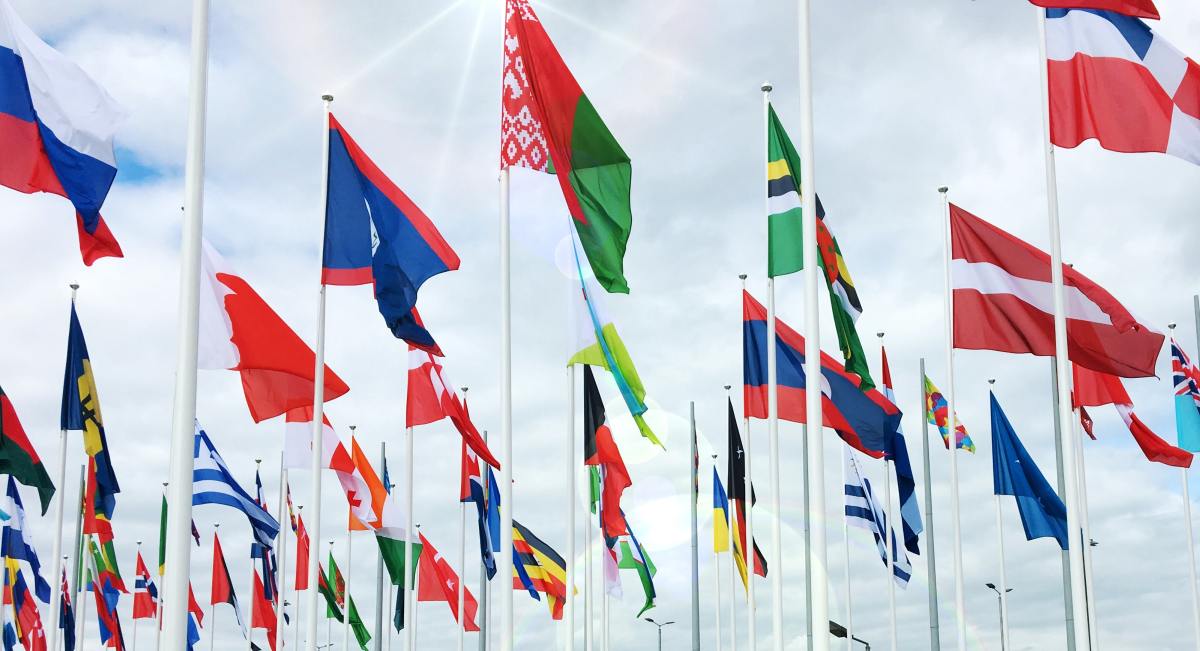
For centuries, flags have formed a major part of our national identity, a symbol for which we belong to and believe in. As times changes, so do nations, and this report looks at two topical, yet different flags, namely those of the United States and New Zealand; assessing to what extent these flags still accurately represent their population, and whether a change is due?

Arguably, The Star-Spangled Banner is one of the most compelling symbols of national pride in this world, with the rich history it entails, and its projected message of ‘the American dream’; the post-colonial flag, historically, has been synonymous with the strong patriotism of its citizens. However, as we see more controversies shroud the nation every year, in relation to racial and ethnic equality, Americans demand change – a change so drastic that a new symbol of their nation is vital? 

On the other hand, this report examines the flag of New Zealand, looking closely at the referendum in 2016, and how even though all roads led change for the pre-colonial symbol, 56% of voters decided this outdated and possibly discriminative flag should still represent their national identity. Whether that be due to respect for their fallen soldiers, or even the economic cost of changing it, the report will ask why the flag has not changed, and if it realistically ever should?

To view Matthew’s full article, follow this link below.

Categories
Arts & Humanities Economics Geography Lower School Social Sciences

Have receiving countries benefited from the Belt and Road Initiative?

This long-read article was written by second former Gavin Sivakumaran.

Estimated read time: 8 minutes

The Belt and Road Initiative (BRI) is a $1,300,000,000 plan which was initiated by Xi Jinping, the President of China in 2013. Various nations in Africa, Asia and Europe are interconnected with China through land and oceanic networks like highways, seaports and railroads. More than 65 have signed up to the Initiative, to strengthen globalisation across the world, develop economies and infrastructure in countries that are struggling, and open world trade. In this essay, I will judge whether the receiving countries have benefited from China’s Belt and Road Initiative economically and socially. I will look at the projects that have happened in the country, how successful they were and how much debt the country has to China. I will also conclude whether countries have benefited from the Belt and Road Initiative. 

In 2010, China had partially moved out of the manufacturing sector, so it experienced a growth decline. So, the Government thought that investing in other countries could create a lot of money because if the country grows very quickly and pays back loans and interest to China, China could earn a lot of money. However, many critics of the BRI state that China is using the BRI to increase leverage over LICs countries and making them depend on China for their development, leading to China becoming the next global superpower. 

Sri Lanka is one of the countries that is part of the Belt and Road Initiative (BRI). Hambantota Port, a maritime port, was built by China Harbour Engineering Company and with Chinese loans. It was built because more than 23,000 ships pass Hambantota (a district in Sri Lanka), so it would be a good location to load, dock and refuel ships, and would hopefully generate a lot of money. As the port incurred heavy losses, making debt repayment difficult, in 2016 the newly-elected government, led by Ranil Wickremesinghe, decided to privatise an 80% stake of the port and give it to China Merchants Port Holdings Co. for $1.1 billion on a 99-year lease, to raise foreign exchange. The port was built by Chinese people and the shipping workers who work there are mainly Chinese people. The Mattala Rajapaksa International Airport is another example of an infrastructure project that is part of the Belt and Road Initiative. Although Sri Lanka was able to pay for the airport, it had a low number of flights, so it has been dubbed as ‘The World’s Emptiest Airport.’ In addition to this, China has built many factories, highways and power plants in Sri Lanka. Sri Lanka has not been able to pay back for all of these. As of 2020, there is still an ongoing project called Colombo International Financial Centre better known as Port City Colombo, which will be an environmentally sustainable SEZ (Special Economic Zone), costing $15 billion and is what the Sri Lankan Government believes will generate enough money to pay off all Sri Lanka’s debt and attract top international investors. Most of the construction workers that are working on this project are Chinese but China promises that the SEZ (Special Economic Zone) will create 80,000 new jobs when completed for Sri Lankans. In Sri Lanka, the economic gains from the BRI are less obvious since most of the projects have been given back to China or have not received their full potential; they can be described as a ‘white elephant,’ which means a non-valuable object which its owner cannot easily dispose of. Additionally, social gains are also not obvious because most of the people building the infrastructure in Sri Lanka are Chinese and they also dominate the number of people who work in these projects after construction (shipping workers etc.). Therefore, the BRI has not been beneficial in Sri Lanka. 

Maldives is also one of the countries that is part of the Belt and Road Initiative (BRI). Under the Presidency of Abdullah Yameen, Maldives undertook many China-funded projects. This includes the expansion of their only airport, the construction of several resorts and the construction of the China Maldives Friendship Bridge, which is a bridge that interconnects the island of the capital of Maldives, Malé with the island in which Velana International Airport (Maldives’s only airport) is located. This bridge brought economic and social benefits to the Maldives. Before the bridge was constructed, travellers would have to travel by boat to reach the capital. This bridge allowed taxi drivers in Malé to pick up fares from Velana International Airport. Also, the building of several resorts has created jobs for the locals in the Maldives. In 2018, Maldives owed $600m directly to China (which they have borrowed for housing, the expansion of the airport and the construction of bridges) and was liable for another $935m of guaranteed loans (which they have borrowed for power infrastructure, building resorts and road infrastructure). Altogether, debt to China amounted to one-third of their GDP in 2019. This shows that the Maldives has not benefited economically. Socially, jobs have been created from resorts built by China and taxi drivers have been able to earn more because they can now pick up fares from Velana Airport. Consequently, the BRI has been quite beneficial to the Maldives. 

Pakistan is another country that is part of the Belt and Road Initiative (BRI). In 2013, CPEC (China Pakistan Economic Corridor) was introduced by Chinese Premier Li Keqiang and Pakistani President Asif Ali Zardari to further enhance connectivity between the two countries. China and Pakistan are such good friends that during Xi Jinping’s visit to Pakistan, he stated ‘This will be my first trip to Pakistan, but I feel as if I am going to visit the home of my brother.’ CPEC projects that have already built and that are still being built include several hydropower projects, a railway linking the cities of Karachi and Peshawar, a freight railway linking Kunming and Karachi, Gwadar Port, Gwadar Port City (which includes a coal plant and hospital) and Gwadar International Airport. Most of the people who are building these projects are Chinese workers. $17 billion was owed to China by Pakistan by 2020 (6.25% of GDP that year). In Gwadar, China’s promises of better infrastructure and job creation have not materialised. Most of the people who work in Gwadar Port are Chinese and most Pakistanis living in Gwadar fear that once the Gwadar Port project is finished, they won’t be able to work there, because they think that Chinese workers will be brought to work there. The China-Pakistan Economic Corridor has raised the expatriate population, which has grown from 20,000 in 2013 to 60,000 in 2018. Also, the Pakistanis in Gwadar cannot continue fishing (the main economic activity in Gwadar) because land reclamation cuts their access to the sea. In 2020, China built a joint naval and air force base in Pakistan. Economic benefits are not apparent because Pakistan has huge sums of debt to China. Furthermore, social gains are less obvious because the people of Gwadar cannot continue their jobs of fishing due to land reclamation for Gwadar Port and they fear that the jobs created by CPEC will be taken by the Chinese expatriate population entering the country. Therefore, the BRI has not benefited Pakistan. 

Kazakhstan is another country that is part of the Belt and Road Initiative (BRI). With the help of China, Kazakhstan has built a multimillion-dollar land port, special economic zone and town with the help of China. All of this was built near the most landlocked, remote place on Earth called the Eurasian Point of Inaccessibility. Kazakhstan and China chose this area to lure manufacturers to the area that might want to take advantage of an overland shipping route to Europe, establishing Kazakhstan as a logistics and manufacturing hub. The infrastructure projects that China has built in Kazakhstan are on the border between the two countries, next to the Xinjiang Province in China. The land port (Khorgos Land Port) is the largest land port in the world. Once the port was built it didn’t attract many clients. Recently, there has been a steady increase, due to heavy subsidies given by the Chinese Government to companies that use the route. Additionally, less cargo has come back from Europe due to the trade imbalance. Looking at how ambitious the Kazakhstan and Chinese Governments were about the project, their predictions have been very higher than reality. Khorgos Land Port had 160,000 TEU of cargo going through the port in 2019. To put that into perspective, Shanghai, the world’s busiest port, had 43.3 million TEU of cargo going through the port in 2019. That is roughly 270 times Khorgos’s amount. Economic gains in Kazakhstan are quite clear because there has been an increase in clients using the Khorgos port. Consequently, the BRI has been quite beneficial to Kazakhstan. 

UK is one of the countries that is part of the Belt and Road Initiative (BRI). The Yiwu-London freight train was launched in January 2017. As of 2018, the network had expanded to cover 48 Chinese cities and 42 European destinations, delivering goods between China and Europe. This railway line has not only boosted China – UK trade but has also increased China-Europe. Figures show that nearly 3000 trains between January and April 2020, carrying roughly 262,000 TEU. Economic gains in the UK are very clear due to the increase in trade from the BRI. Therefore, the BRI has benefited the UK. 

Djibouti is another country that is part of the Belt and Road Initiative (BRI). Data shows that in 2020, Djibouti’s debt to China accounted for more than 70% of its GDP. China has constructed two airports in Djibouti, extended Doraleh Port and built a naval base. There have been concerns that China will turn many of the ports constructed across the Indian Ocean into naval bases, to increase its military presence across the world and control the Indian Ocean shipping route. Economic gains in Djibouti are less obvious since debt to China accounts for more than 70% of their GDP. And although Djibouti’s Government agreed to build a naval base for China, this may begin a “String of Pearls” and will affect other countries across the Indian Ocean. Consequently, the BRI has not benefited Djibouti. 

In conclusion, receiving countries have not benefited from the BRI. Many countries have had to sell back projects to China or are in large debt to them. China is using what is referred to as debt-trap diplomacy (where a powerful lending country brings a borrowing country into a debt-trap and increases its leverage over it) to try and become the global superpower. Furthermore, China believes that by creating a network of dependencies across Asia, Africa, Europe and Latin America, China will be able to have more influence around the globe (This is known as Infrastructure Imperialism or Infrastructure Diplomacy). The String of Pearls theory, which predicts that China is trying to establish a string of naval bases in the Indian Ocean that will allow it to station ships and guard shipping routes that move through the region (the Indian Ocean is the home to one of the largest shipping routes in the world that interconnect Africa and the Middle East with South East Asia), is likely to become true. 

Categories
Economics Independent Learning Assignment Social Sciences STEM

Analysing the Gacha Mechanism: The Truth behind the Rates

This essay was written by upper-sixth former Muhammed Hussain, and a finalist for the 2020 Independent Learning Assignment. The following provides a short abstract to the full essay, which can be found at the bottom.

Estimated read time of abstract: 4 minutes
Estimated read time of essay: 60 minutes

The following Preface is an extract from my ILA that serves as an overview of both what my ILA entails and of the process in writing it: 

Preface

It was nearing the deadline for submitting the title for my ILA and I had still not given the project much thought. Forcing myself to choose a topic on the final day of the extended deadline, I was deliberating going down one of two routes; the easy yet laborious, or the difficult but enjoyable. After taming down my ambitions I went with the former and submitted that in thinking the route would be less bumpy.  

Fast forward a couple of days and I am at my desk looking at my blank screen titled, “How Immigration affects the Local Economy.” Finally I come to the realization that this is going to be a reading fest, examining 30 odd articles and picking out what is relevant for me, only to come up with a conclusion that mirrors someone else’s with data that has been sourced from someone else. What would be my input? Besides, the title itself was bland and monotonous, exactly not what I wanted my ILA to encompass.  

So, I had to start from scratch with Mr Bradford (our ILA director) thinking I was some labour economist. This time I decided I would go down the other route titled: “Are in-app purchases a scam?” Being a frequent app gamer and statistics enthusiast, I thought this was the perfect idea until I became aware of its potential downfall: the countless different app genres and in-game purchase functions. For example, in one game “gems” might be spent trying to summon a character from a pool, in another “stones” may merely speed up time. Trying to make comparisons of the value of in-game currency between two distinct games (whose currency served different functions) would be very difficult, let alone quantifying the value of speeding up game time itself.   

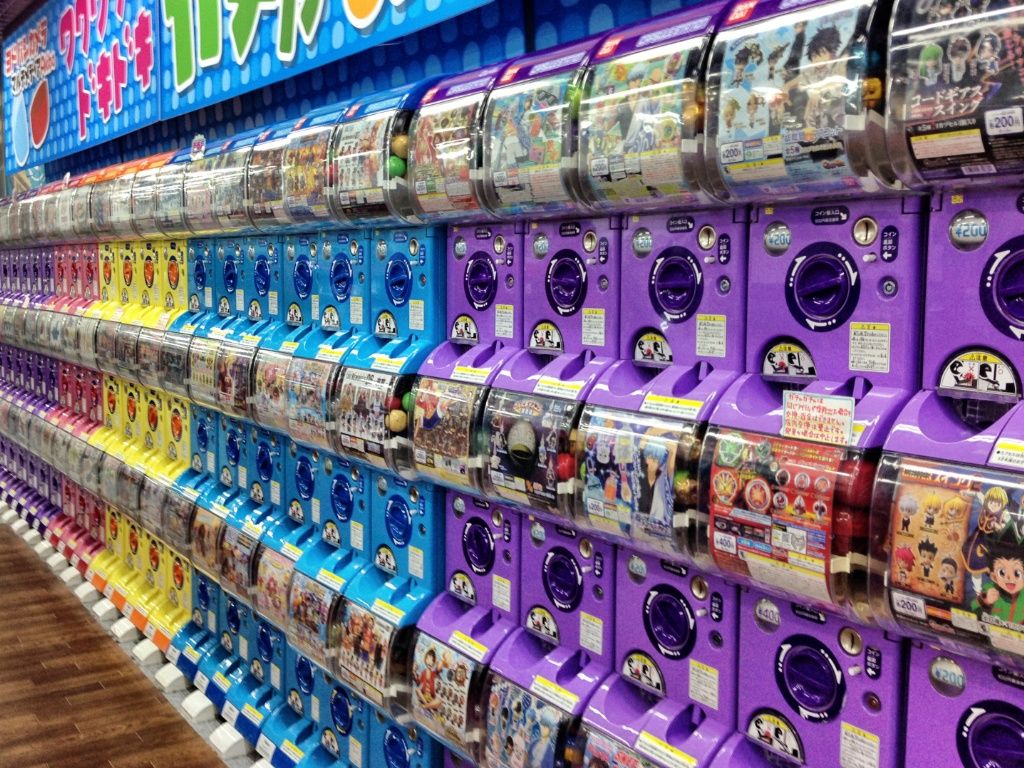
With the help of Mr Xuan (my ILA supervisor), I managed to narrow down my appetite to a more specific genre, gacha: the controversial Japanese lootbox1 extraordinaire now common in western app stores and perhaps the biggest “socially approved” scam out there. Having played these games before and having previously meddled with statistics in the context of these games, I realized there was a much bigger section of this topic to be explored using more elements of statistics, I at the time did not know of.   

I wanted my ILA to be truly independent, in other words, I wanted most of the research to be my own, using my own unique methods and coming up with my own conclusions about these games. That’s why choosing such a niche topic that had not been previously explored, bar the odd superficial statistical analysis by players in the games’ communities, was perfect for my goal.  

However, there were two large problems that I immediately faced as I tried to change subject from in-app purchases as a whole to the specific genre of gacha. Firstly, gacha was too specific and foreign a genre that many people did not understand the complicated terminology associated with it. Being an avid gacha gamer myself did not help either, as it was difficult to gauge what a stranger to the game would not at first understand. In fact, after submitting my first draft for approval, those who had played such games prior to reading my draft had good things to say about it, as opposed to those who hadn’t who struggled to get past the first couple pages. To fix this, I decided to restructure my ILA so it was more easy to follow, add a definitions page for any foreign vocabulary, buff up the introductory explanation of gacha, and finally add footnotes to parts that may not be fully accessible to a lay reader. This came with a downside in that my essays’ word count ballooned to make up for the more detailed explanations. 

The second problem was perhaps the bigger of the two. Having already written a large amount for my old topic of in-app purchases it was painful to cut out the now irrelevant sections. Changing topics immediately made the vast proportion of my then ILA redundant. My over attachment to what I had previously written made it difficult to cut stuff out on the basis of forcefully made reasons explaining their relevance. This resulted in an ILA which lacked a coherent structure and clearly looked as if someone had changed ideas halfway through writing it. In the end I managed to overcome this issue with the help of Mr Xuan (…again), by planning my new essay and ruthlessly extracting only the relevant parts from my old ILA,  editing them slightly before inputting them into my new one.   

The end product was an ILA dipped in statistical analysis, coated with behavioral analysis with a sprinkle of scorn on top. I understand some of this analysis does not apply to the whole gacha genre, indeed there are some games which are not so much of a scam but more a delight to play. This essay was mainly aimed at targeting the so-called gacha mechanism in popular gacha games that have, in some cases, been criticized as “scam-like” or close to “gambling” by many game critics.  

To view Mo’s full article, follow this link below.

Categories
Independent Learning Assignment Law & Politics Social Sciences

Brown and Blue: An Assessment of British Indian Voting Behaviour

This essay was written by upper-sixth former Omeet Atara, and shortlisted for the 2020 Independent Learning Assignment. The following provides a short abstract to the full essay, which can be found at the bottom.

Estimated read time of abstract: 3 minutes
Estimated read time of essay: 90 minutes

In the last decade there have been radical changes in UK politics, with Brexit and Bojo becoming household names. However, behind the apparent shift towards the Conservative Party the role of the British Indian Community has been vastly understated. Since 2010, the British Indian vote has shifted rapidly towards the Conservative Party with over 30% of British Indians switching towards them. Hence, this psephology change has gone a long way to enabling the Conservative Parties success.  

However, we must ask ourselves why this change as occurred? In my ILA, I argue that fundamentally, the shift has occurred due to changing policy within the Conservative Party, historical deterioration, and active political strategy. Using personal heritage, a range of literature and media and first-hand interviews with leading political figures such as Lord Popat, Lord M Desai and Chris Grayling MP I construct an overall picture of British Indian Voting Behaviour.  

1.4 million British Indians are currently settled in Britain, and they all stem from historical immigration. Indians have to come to Britain since the 1700s and the formation of the East India Company. They began as sailors, however, then cooks and academics came over to supply the British with India cuisine. My ILA traces this heritage, through partition, immigration from Uganda and Kenya in the 1960s and 1970s then the Thatcher, Blair and Cameron years looking at immigration policy and how this affected the Indian diaspora. This combines with personal heritage, as my maternal grandfather travelled as an illegal immigrant in 1968, to escape the brutality of Jomo Kenyatta and then my father to escape Idi Amin in 1982. The hundreds of thousands of British Indians who have came to Britain in the period 1960-1990 are distinctly loyal to the political party which allowed them in country. I also explore how geographical location has affected generations to come, particularly South Indian workers coming to Britain in the 1940s, working in unionised jobs in the North.  

However, there have been generation loyalty decline, with later generations being far less loyal to the party which originally “let them in.” This when policy from the Conservative Party has begun to appeal to the British Indian voters. From the surveys I conducted it was clear that, firstly British Indian voters are overwhelmingly voting on rationality, and often the rational policy which benefits them is from the Conservative Party. Economically, British Indians are on average the wealthiest race which often means they support the low tax policies. Culturally and Socially, they believe in harsh punishment and law and order, something which also aligns with the Conservative Party. In my ILA, I explore Cultural, Social, Education, Economic, Political and Foreign policies and the vast majority of British Indian interests align with Conservative Party Policy.  

Finally, I explored the directives of both major political parties. Kashmir is a deeply contentious issue, and the Labour Party have moved away from the Indian Government stance of non-interference. This angered many British Indians; how felt they could not support the Labour Party. One the other hand, the Conservative party has represented British Indians at the top level of Government, with 4 Cabinet Ministers having Indian heritage. Alongside this, the formation of the Conservative Friends of India has also involved the Indian communities in Britain within the Conservative party.  

I end my piece with my own political theory I developed based upon this research. Targeted Seat Theory is the idea that appealing to cultural politics within a seat is the most effective way to win seats. By using the majority interests and representing this on a local level you gain a significant vote proportion. This was seen in my case study, Harrow East.  

Overall, my ILA combines Politics, Anthropology, Sociology, History, Geography and Economics to create the picture of a British Indian voter. From this, I begin to work out how parties in the modern era have appealed to voters and then develop a wider political theory. The change I explore has gone unnoticed behind the bluster of sensationalist politics for too long and has crucial role in determining who the Government is.

To view Omeet’s full article, follow this link below.


Categories
FTRP Law & Politics Social Sciences

Why did ‘Workington Man’ vote Conservative? An analysis of the factors contributing to the fall of the ‘Red Wall’


This essay was written by lower-sixth former Dominic
Stagg, and shortlisted for the 2020 Fifth Form Transitional Research Project. The following provides a short abstract to the full essay, which can be found at the bottom.

Estimated read time of abstract: 1 minute
Estimated read time of essay: 16 minutes

Throughout modern British electoral history, the useof political stereotypes to identify potentially decisive voters has become increasingly common within the mainstream media, and influential in dictating the way in which political parties’campaign. In the 2019 UK General Election, this trend manifested itself as ‘Workington Man’-an older, white man who traditionally supported the Labour Party but voted ‘Leave’ in the EU Referendum in 2016. The Conservative Party’s substantial victory was characterised by the supposed fall of the Labour Party’s ‘Red Wall’, a term used to describe traditionallyLabour-supporting constituencies based in North Wales, Northern England,and the Midlands, regions in which ‘Workington Man’ is concentrated. This would therefore suggestthat‘Workington Man’was extremely significant in shaping the outcome of the election.

However, whilst the significance of ‘Workington Man’ was undoubtable, the reasons that caused this momentous shift from Labour to Conservative remain less obvious. It is true that the 2019 election was dominated and polarised by Brexit, yet the root causes of the breaking down of inherent social, political, and economic barriers between ‘Workington Man’ and the Conservatives would appear to be more complex and deep-rooted. Therefore, in this essay, I sought to gain a greater insight into the various short-term and long-term factors that contributed to ‘Workington Man’s’ disenfranchisement from the Labour Party, that ultimately caused the majority of such an electorate to vote Conservative in 2019. These are divided into three similarly important sub-sections: Brexit, in both its exaggeration of growing social polarisation and, more profoundly, in the way it offered political empowerment, as well as cultural issues and economic issues. I concluded that 2019 marked the culmination of the interaction between these separate but overlapping factors, a point in which ‘Workington Man’ and the Conservatives became politically aligned. Furthermore, I argued that ‘Workington Man’s’ reasons for voting Conservative were rooted not just in the Conservative’s appeal, amore recent phenomenon arising from both Brexit and the Conservative’s cultural shift, but also in a feeling of marginalisation from the Labour Party that can be traced much further back.

To view Dominic’s full article, follow this link below.

Categories
Arts & Humanities FTRP Geography Law & Politics Social Sciences

Why did the UK withdraw from Singapore and Malaysia and what were the consequences for the region?


This essay was written by lower-sixth former Alexander Downey, and shortlisted for the 2020 Fifth Form Transitional Research Project. The following provides a short abstract to the full essay, which can be found at the bottom.

Estimated read time of abstract: 2 minutes
Estimated read time of essay: 12 minutes

When Harold Wilson took over as Prime Minister in 1964 from Alec Douglas-Home, he inherited a country riddled with financial difficulties. Macmillan’s supposed “Age of Affluence” left a remarkable balance of payments deficit of £400 million. The economic downturn was the trigger for calls for a review and a change in the way money was being spent and invested in foreign affairs and the military when the number of Brits at home who needed financial support grew.
Ever since the end of the Second World War Britain’s influence on the world stage had been in decline along with her empire. This led to Wilson taking the decision to continue with the post-war consensus idea of focusing on becoming a political power in Europe and adapting a role there rather than a worldwide role. Part of this meant reducing military commitments around the world, the term “East of Suez” was coined to refer to all British military bases and territories in the Eastern hemisphere, this included Malaysia and Singapore.

This region had a rather unique political situation due to the unique way in which Malaysia and Singapore were linked as well as Malaysia’s internal divisions. Following the decision to give independence to Malaya, Singapore, Sarawak, and Borneo forming the Federation of Malaysia, the internal politics of this new country were chaotic to say the least. The Malaysian-Chinese population were discriminated against by the Islamophilic regime leading to violent protests, Britain then feared they would be drawn into a Vietnam style conflict, especially when Singapore separated itself from the Federation forming its own sovereign state. The political tensions along with Britain’s changing international role were important factors in the decision to withdraw from Malaysia and Singapore. 

However, one can argue that the role of pressure groups in the UK were more important as they emphasised Britain’s changing role and the dangerous political atmosphere of the region at the time. Whilst the importance of the pressure groups is often overlooked, the main point they pushed was the economic situation and the cost of having military bases in the Eastern hemisphere, Wilson was aware of this, so the importance of the pressure groups was much less than the economic situation at home at the time. The consequences for the region have been, in the long run, intrinsically positive. Malaysia’s economy in particular initially suffered an economic downturn but both countries are now amongst the most powerful Southeast Asian economies and continue to grow. 

To view Alexander’s full article, follow this link below.

Categories
Arts & Humanities FTRP History Law & Politics

To what extent does Mao Zedong deserve his reputation as one of history’s most notorious dictators?


This essay was written by lower-sixth former Austin Humphrey, and shortlisted for the 2020 Fifth Form Transitional Research Project. The following provides a short abstract to the full essay, which can be found at the bottom.

Estimated read time of abstract: 2 minutes
Estimated read time of essay: 11 minutes

Mao Zedong was Chairman of the People’s Republic of China from 1949 to his death in 1976. Mao was a Communist revolutionary, described as having an ‘emphatic aura’ and ‘exuding overwhelming power’. He is known globally as an infamous killer, responsible for the deaths of millions, but can he be compared to the likes of Hitler or Stalin? Another question to consider is what makes a notorious dictator, and due to these factors we can determine whether or not Mao deserves his reputation. 

Firstly, we can examine the death toll of Mao. In 1958, Mao’s ‘Great leap forward’ killed approximately forty million people, by forcing peasants to stop work on farms and begin production of steel. Mao took over all agriculture in China, with no farming experience. He demanded that farmers kill sparrows, to stop them eating the crops. However, the sparrows were only eating pests, thus improving crop yields. Hence Mao’s arrogance and ignorance caused one of the most devastating famines in history.  

To compare Mao’s numbers here, we should look at Pol Pot, the former dictator of Cambodia. Pol Pot killed only two million people, which seems inconsequential compared to Mao. However with perspective, Pol Pot is responsible for the death of a quarter of his while country, while Mao only 6%. Therefore one reason for the extraordinarily high number of deaths is just because China’s population was so much greater than other nations’: 670million.  

Just examining the number of deaths may not be as important as analysing the intent behind them. Whilst the number of people Mao killed was almost double what Hitler and Stalin killed together, his primary intention was to increase China’s industry to make it a world superpower. This highlights Mao’s noble intentions whilst in power. 

On the other hand most would agree that Adolf Hitler’s intentions were horrific. When he murdered eleven million people in death camps, he singled out groups in society as second class humans, then purposely slaughtered them. Therefore, as death by ill-judgement is not the same as death by ill-intent, Mao doesn’t deserve to be compared with the likes of Hitler, who set out with the aim of genocide.  

Mao wasn’t completely innocent of malicious aspirations. In 1956 he launched ‘The Hundred Flowers Campaign’, which was an opportunity for everyone to present ideas on how to improve China. After a few months, the campaign stopped and anyone who criticised the government was persecuted. Many people, including former deputy chief of MI6 and British diplomat in China at that time: Sir Gerry Warner, believe that ‘The campaign was a deliberate attempt to flush out those who opposed Mao and Communism’. 

In conclusion, there are many ways to judge notoriety, the most important of which I believe is intent. Therefore due to Mao’s mass number of killings, but honourable intention on the whole, he deserves his reputation as one of history’s most notorious dictators, but falls short of the notoriety of those who intended to harm others. 

To view Austin’s full article, follow this link below.

Categories
Economics FTRP History STEM

How Gambling in the 17th Century has shaped insurance markets in the 21st century

This essay was written by lower-sixth former Moog Clyde, and shortlisted for the 2020 Fifth Form Transitional Research Project. The following provides a short abstract to the full essay, which can be found at the bottom.

Estimated read time of abstract: 1 minute
Estimated read time of essay: 11 minutes

In 1654, the Chevalier de Mere, a French nobleman, posed the notorious ‘Problem of the Points’ to Blaise Pascal, an esteemed mathematician. The Problem of the Points concerned a game of chance containing two players with equal chances of winning any given round, and posed the question of how to split the stakes if one gambler has to leave the game prematurely. Despite several attempts, finding a definitive solution stumped even the greatest minds of the previous two hundred years, most notably Luca Pacioli (the ‘Father of Accounting’ ) in 1494 and Niccolò Tartaglia (solver of cubic equations and the first to apply maths to the paths of cannonballs, otherwise known as ballistics) in 1556. Even the great Galileo failed to discover a reasonable solution to the problem. Pascal was determined to find a logical and fair solution, and thus reached out to Pierre de Fermat, a brilliant mathematician himself. In their resulting correspondence, the pair developed the first explicit reasoning about what today is known as ‘expected value’ and laid the groundwork of probability, earning them both joint title of ‘the Fathers of Probability.’

Although it is easy to underplay the significance of this breakthrough as merely a clever, tidy solution, to appease opposing gamblers, in reality, it was truly revolutionary. It is difficult to understate how vast and significant the cognitive shift across Europe that occurred following this solution was. The notion that you can hang numbers into the future was alien to mathematicians merely years before this solution was proposed. Soon, others began to see the possibilities that this concept generated.

Within three years Christiaan Huygens adapted Fermat’s theory into a coherent pamphlet entitled ‘De Ratiociniis in ludo aleae,’ which was used as the standard text on probability for the next 50 years. Huygens attributed his developments to “some of the best mathematicians of France” (i.e. Pascal and Fermat). This text spread like wildfire among the academic community as it was evident that the new science of probability had the potential to transform the world. In the next few years, Huygens’ text was ripped out of the context of gambling and thrust into several aspects of life, including law and maths. In particular it was applied to a very different, brand new data set: mortality tables. Almost immediately, by using specific intricate data, insurance shifted from a form of blind gambling, based on hunches and guessing, to a remarkably accurate science.

It now is clear that this rapid chain reaction of discovery underpins all notions of mathematical ‘expected value’ and insurance came not from savvy merchants but from avid gamblers, eager to improve their craft.

To view Moog’s full article, follow this link below.